
HOLISTIC CARE FOR EVERY BODY
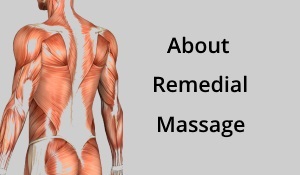
Remedial massage involves the assessment and treatment of soft tissues to support musculoskeletal function and overall physical wellbeing. It may help reduce pain and muscle tension, improve mobility, and support healthy movement and function. Treatment is tailored to the individual and may also promote relaxation and a greater sense of physical and emotional wellbeing.
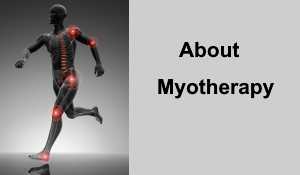
Myotherapy extends beyond the remedial massage approach by incorporating a more in-depth understanding of the body’s systems and their relationship to musculoskeletal health. Myotherapists draw on Western medical knowledge of anatomy, physiology, pathology and biomechanics within a holistic approach to the assessment, treatment and management of a wide range of musculoskeletal conditions.
Myotherapy includes a thorough physical assessment and appropriate clinical testing to help identify factors contributing to pain and dysfunction. Treatment may include, but is not limited to, exercise prescription, joint mobilisation, dry needling, cupping and massage techniques.
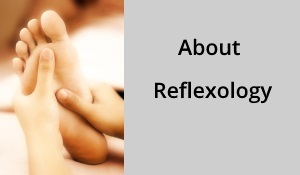
Reflexology is a gentle and relaxing therapy that involves the application of pressure to specific areas of the feet, and sometimes the hands, with the aim of promoting relaxation and supporting overall wellbeing. Many people use reflexology as a complementary therapy to help reduce stress, encourage relaxation and support a greater sense of physical and emotional wellbeing.
Reflexology may also be used alongside medical and allied health care as part of a broader approach to health and wellbeing. It is not intended to replace medical treatment, but may complement existing care by providing a supportive and relaxing therapeutic experience.
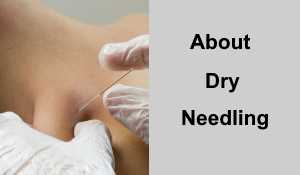
Dry needling is a technique commonly used in the management of neuromusculoskeletal pain and movement impairment. It is performed by an appropriately trained practitioner and is generally considered safe when applied using appropriate clinical and infection-control procedures, although some temporary discomfort, soreness or bruising may occur.
Dry needling differs from acupuncture in its clinical framework and is generally based on Western anatomical and musculoskeletal assessment principles. The decision to include dry needling in a treatment plan may be informed by factors such as orthopaedic testing, functional impairment, posture, movement patterns and the presentation of pain.
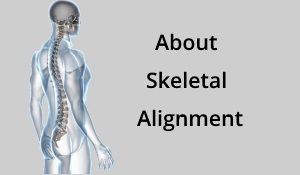
NSD (Neuro Skeletal Dynamics) is a technique that aims to support the balance of muscle energy by targeting the stabilising muscles of the skeletal system. It involves light contact on specific points of the body. Firm pressure is not necessary, as light contact provides the practitioner with effective feedback.
NSD can be applied through clothing, so removal of clothing is not necessary for the treatment.
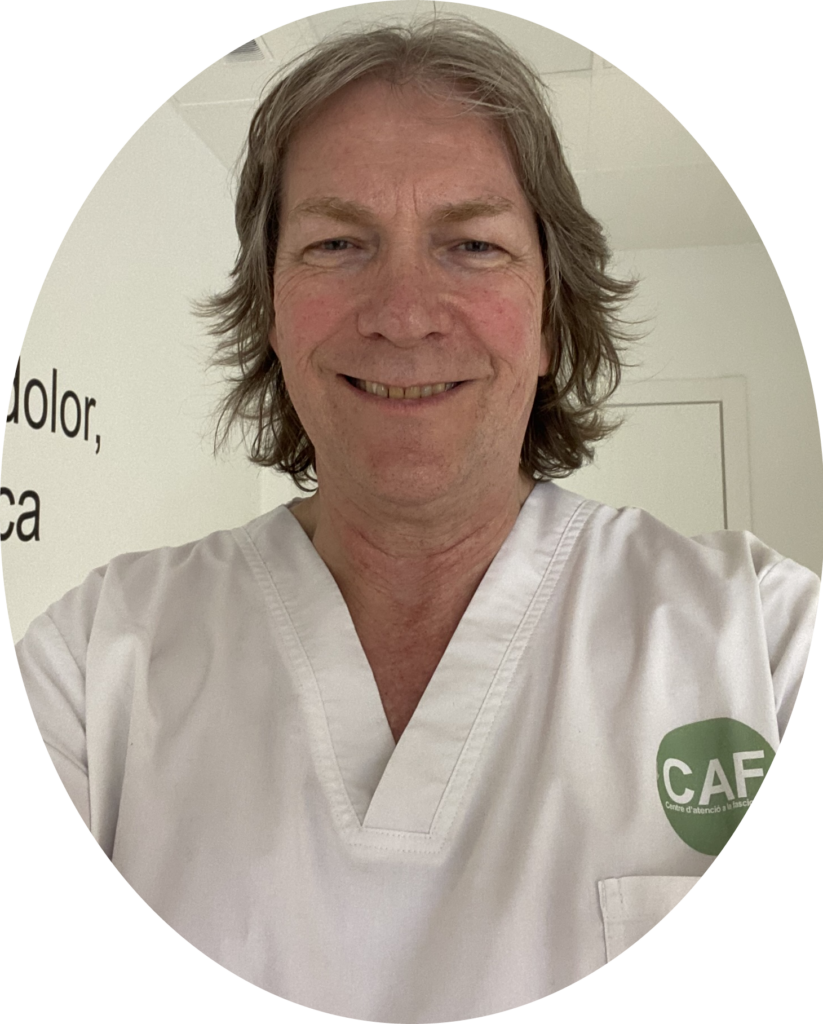
James Flaxman has more than 33 years of experience as a musculoskeletal therapist. His qualifications include a Bachelor of Health Science (Myotherapy), diplomas in Remedial Massage and Soft Tissue Manipulation, as well as multiple certificates in a range of reflexology techniques.
James has been in private practice since 1991 and continues to maintain and further develop his knowledge and skills in manual therapy and neuromusculoskeletal techniques. The treatment techniques he uses are selected according to clinical assessment, individual presentation and current clinical evidence.